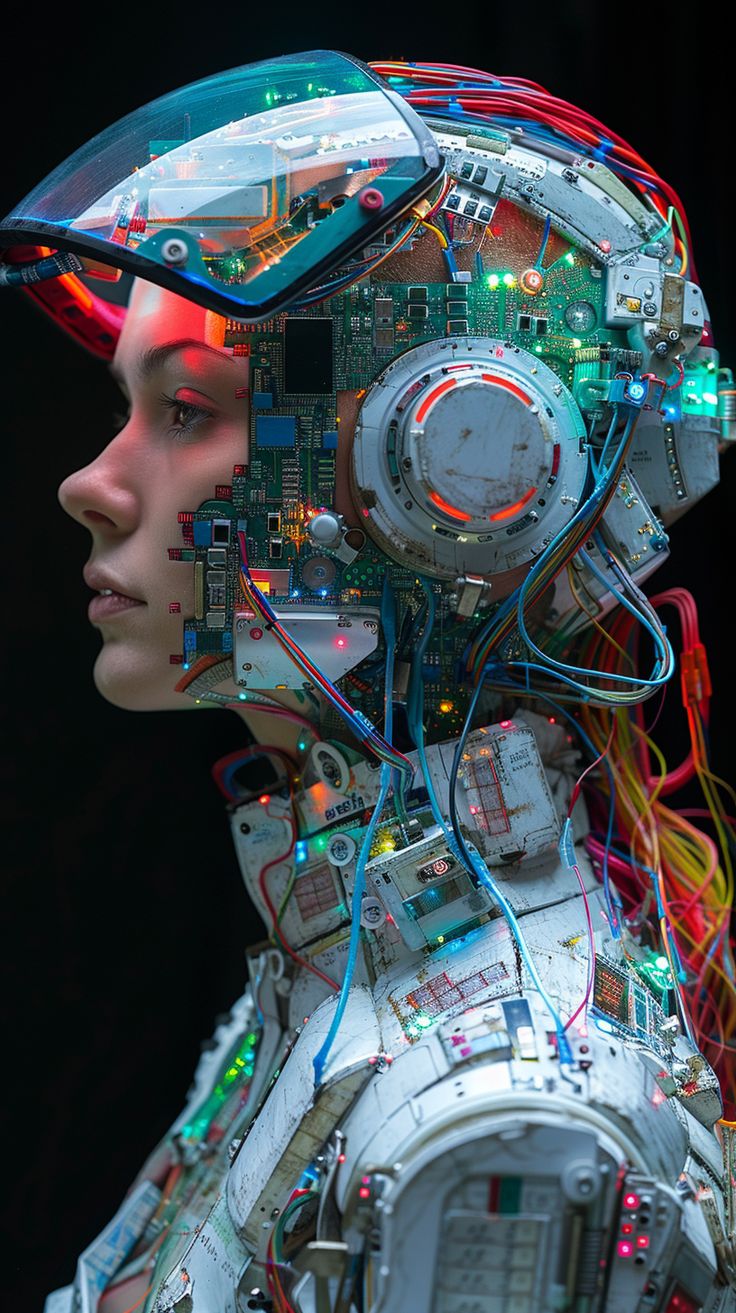
Artificial Intelligence (AI) has rapidly transformed the landscape of training and development, reshaping how organizations nurture talent, build skills, and measure learning effectiveness.
No longer confined to administrative automation, AI now serves as a strategic partner in creating adaptive, personalized, and data-driven learning environments.
For HR leaders, understanding how to harness AI in training and development is key to future-proofing the workforce and sustaining competitive advantage.
Personalized Learning at Scale
One of the most significant contributions of AI to training is the ability to personalize learning at scale. Traditional training programs often apply a one-size-fits-all approach, leaving some employees under-challenged while others struggle to keep up. AI changes this dynamic by using data to understand individual learning preferences, performance history, and skill gaps.
Through adaptive learning systems, AI can curate customized learning paths for each employee. For instance, a sales trainee who excels in negotiation but needs improvement in data analysis can receive targeted microlearning modules to strengthen that specific skill. This approach enhances engagement, accelerates learning outcomes, and ensures that training investments are more efficiently utilized.
Intelligent Content Creation and Curation
AI also revolutionizes how training content is developed and maintained. With natural language processing and generative AI, organizations can automatically generate training materials, case studies, quizzes, and summaries. These tools help learning designers save time and focus on refining the strategic and creative aspects of instructional design.
Moreover, AI-driven content curation tools can scan vast amounts of online resources to recommend the most relevant and up-to-date materials for learners. By filtering out low-quality information and aligning content with learning objectives, AI ensures that employees receive high-quality, contextually relevant learning experiences without information overload.
Real-Time Coaching and Feedback
Another powerful application of AI lies in real-time coaching and performance feedback. Traditional feedback systems rely on periodic evaluations, which often fail to capture immediate learning opportunities. AI-powered learning platforms, however, can analyze employee performance as they practice skills—such as communication, customer service, or coding—and provide instant, constructive feedback.
For example, AI-based virtual coaches can analyze speech tone, facial expressions, and word choice during presentation practice to offer personalized suggestions for improvement. This immediacy not only accelerates skill development but also builds employee confidence by turning practice sessions into interactive, data-informed learning moments.
Predictive Analytics for Skill Development
AI enhances training strategy through predictive analytics, which allows HR professionals to forecast future skill needs and identify at-risk competencies. By analyzing internal and external data—such as industry trends, workforce demographics, and performance indicators—AI systems can highlight emerging skill gaps before they become critical.
This predictive insight enables organizations to design proactive upskilling and reskilling programs. For instance, as automation changes job requirements, AI can recommend specific learning paths to prepare employees for new roles, ensuring a smoother transition and minimizing talent redundancy.
Measuring Learning Impact
Evaluating the effectiveness of training programs has long been a challenge for HR and L&D teams. AI simplifies this process by continuously tracking learning metrics, engagement levels, and performance outcomes. It can correlate learning data with business results, such as productivity increases or reduced error rates, providing a clearer picture of training ROI.
Furthermore, AI can identify which training modules contribute most effectively to performance improvement, helping organizations refine their learning strategies and allocate resources more efficiently.
Challenges and Ethical Considerations
Despite its benefits, AI in training and development presents several challenges. Data privacy, algorithmic bias, and overreliance on automation must be carefully managed. Organizations must ensure that AI systems are transparent, inclusive, and aligned with ethical learning principles.
Equally important is maintaining the human element in learning. While AI enhances personalization and efficiency, human mentors and trainers remain essential for fostering empathy, creativity, and critical thinking—skills that AI cannot replicate.
Conclusion
AI is not replacing human learning—it is amplifying it. By enabling personalization, real-time feedback, predictive insights, and measurable outcomes, AI empowers organizations to cultivate more agile and capable workforces. The future of training and development will depend on how effectively companies integrate human intuition with AI-driven intelligence, ensuring that technology serves as a bridge—not a barrier—to human growth.
DOWNLOAD for FREE - These Amazing HR Slides NOW!!