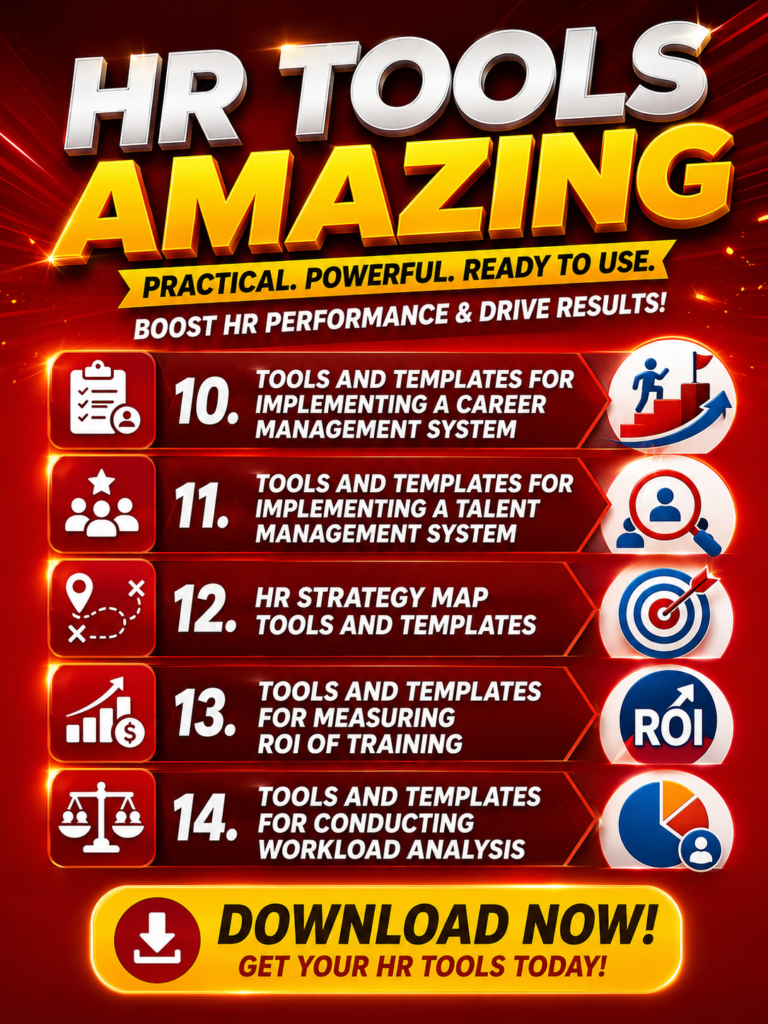
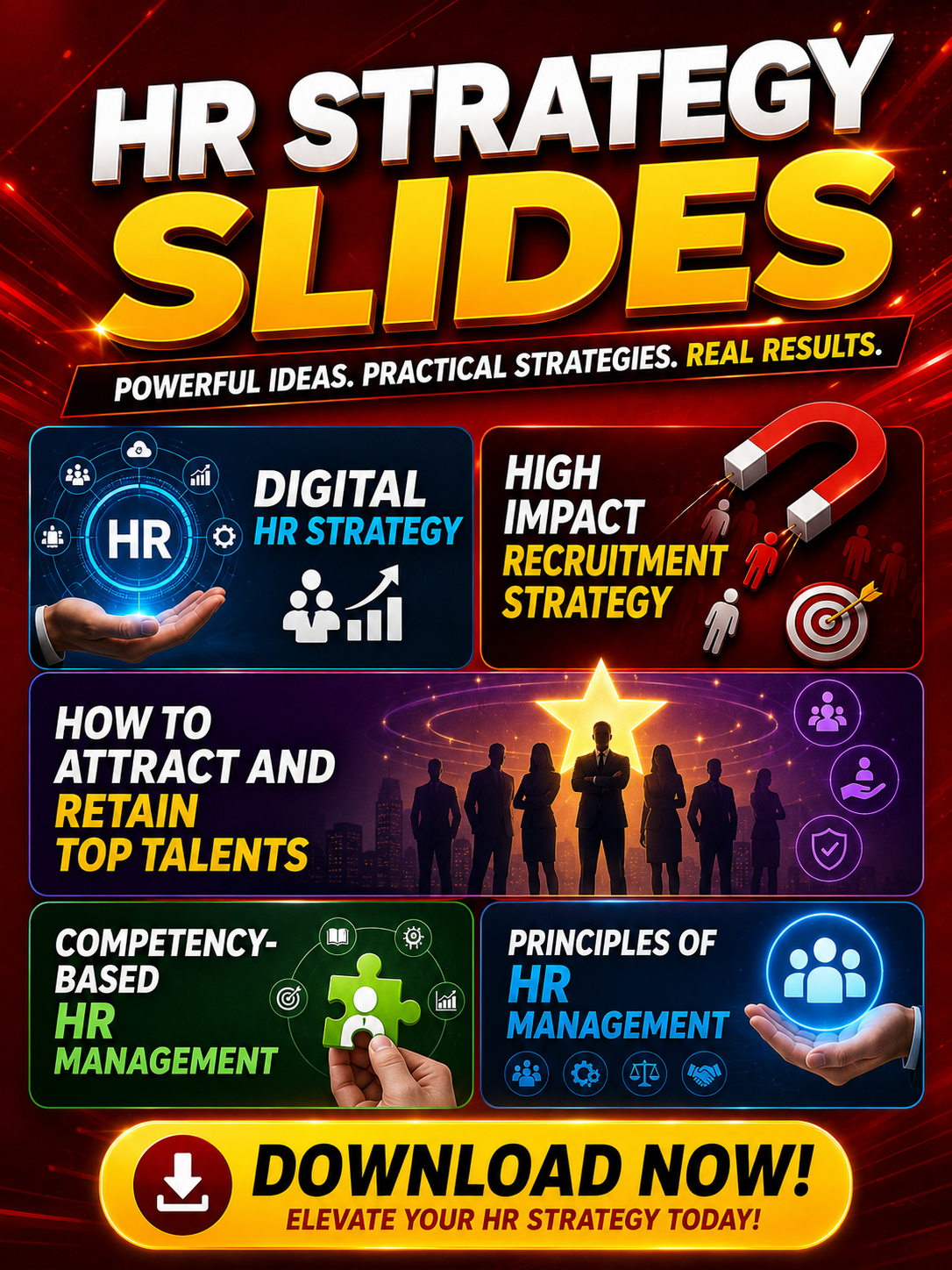
Human Resource Management has evolved significantly over the last decade. In the past, HR departments mainly focused on administrative tasks such as payroll, attendance, and hiring paperwork. Today, HR management has become a strategic business function that directly influences company growth, employee performance, and organizational success.
Businesses that invest in effective HR strategies are more likely to build productive teams, retain top talent, and create sustainable competitive advantages. In the modern workplace, people are no longer viewed simply as workers, but as valuable assets that drive innovation and long-term profitability.
Understanding Strategic HR Management
Strategic HR Management refers to aligning human resource practices with the overall goals and direction of the company. This means HR leaders actively participate in business planning and decision-making processes.
Instead of only reacting to staffing needs, strategic HR teams anticipate future workforce challenges. They analyze talent gaps, prepare leadership pipelines, and create systems that improve employee performance and engagement.
Companies with strong HR strategies often experience better productivity, stronger company culture, and improved employee loyalty.

The Role of Leadership in HR Success
Leadership plays a crucial role in successful HR management. Managers and executives shape workplace culture through their communication style, decision-making, and treatment of employees.
Strong leaders inspire employees, encourage teamwork, and create trust within the organization. HR departments often support leadership development through coaching programs, management training, and succession planning.
Organizations that invest in leadership development usually adapt faster to market changes and maintain higher employee morale during challenging periods.
Building a Positive Workplace Culture
Workplace culture has become one of the most important factors in attracting and retaining employees. A healthy culture encourages collaboration, innovation, respect, and accountability.
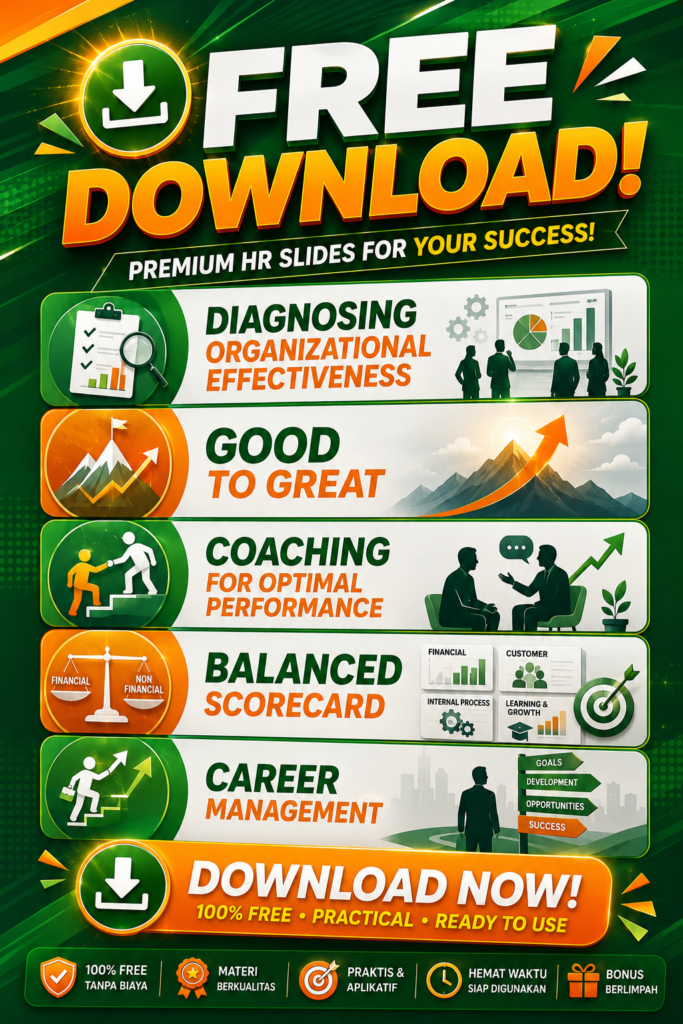
HR management contributes to company culture by establishing clear values, promoting diversity, and creating fair workplace policies. Employees who feel respected and included are generally more motivated and productive.
In recent years, many companies have also focused on employee well-being. Flexible working arrangements, mental health support, and wellness programs are becoming increasingly common in modern HR strategies.
Performance Management and Employee Growth
Effective performance management helps employees understand expectations and improve their contributions to the company. Traditional annual reviews are gradually being replaced by continuous feedback systems.
Modern HR practices encourage regular coaching conversations between managers and employees. This approach allows problems to be addressed quickly while helping employees develop their strengths.
Career growth opportunities are equally important. Employees are more likely to remain loyal when companies provide training, mentorship, and clear promotion pathways.
Technology in Modern HR Management
Technology is transforming the HR industry rapidly. Companies now use HR software, artificial intelligence, and data analytics to improve recruitment, workforce planning, and employee experience.
AI-powered recruitment systems can screen resumes faster and identify suitable candidates more efficiently. HR analytics also help organizations measure employee engagement, turnover rates, and productivity trends.
Remote work technology has further changed HR management. Virtual collaboration tools and digital communication platforms have become essential for managing distributed teams.
The Future of Human Resource Management
The future of HR management will focus on agility, employee experience, and digital transformation. Companies must adapt quickly to changing workforce expectations, especially as younger generations prioritize flexibility, purpose, and career development.
Despite technological advances, human connection will remain central to HR success. Businesses that balance innovation with empathy will build stronger relationships with employees and achieve long-term organizational growth.
In the end, effective HR management is not only about managing people. It is about creating an environment where both employees and businesses can succeed together.