SOP Template for HR Department Ready to Use and Completed

SOP template for HR- In the ever evolving corporate landscape, the Human Resources department plays a pivotal role. It is the backbone that ensures the smooth functioning of an organization by managing its most valuable asset – its people.

From recruitment and onboarding to training, performance management, and ensuring compliance with labor laws, the responsibilities of an HR department are diverse and critical.

However, with such a wide array of tasks and processes, it’s essential to have a structured approach to ensure consistency and efficiency. This is where a Standard Operating Procedure (SOP) comes into play.

An SOP is a set of step-by-step instructions that not only guides an organization on how to carry out a routine operation but also serves as a key tool in ensuring quality control and enhancing productivity.

Creating an effective SOP for your HR department can seem like a daunting task, but it doesn’t have to be. In this article, we will guide you through the process of creating an SOP that is not only efficient and effective but also tailored to the unique needs of your HR department.

We will also discuss the key points that should be included in your SOP and provide you with a downloadable SOP template to get you started.

So, whether you’re an HR professional looking to streamline your department’s operations or a business owner wanting to ensure consistency in your HR processes, this guide is for you. Let’s dive in and explore the world of HR SOPs together!

How to Create a Better SOP Template for HR Department?

Absolutely, let’s delve deeper into how to create a better SOP template for your HR department:

  1. Identify the Processes: Start by identifying the key processes in your HR department that need SOPs. This could include recruitment, onboarding, performance management, and more. Each process should have a clear purpose and expected outcome.
  2. Document the Steps: For each process, document the steps involved. Make sure to include every detail, no matter how small. This should be done in consultation with the people who perform these tasks regularly. They can provide valuable insights into the nuances of each process.
  3. Define Roles and Responsibilities: Clearly define who is responsible for each step in the process. This includes not only the person who performs the task but also who is responsible for overseeing it and who should be notified upon its completion.
  4. Create Flowcharts: Visual representations can be very helpful in understanding a process. Create flowcharts that map out each step of the process, including decision points and different paths depending on various scenarios.
  5. Review and Refine: Review the documented steps, refine them, and ensure they are clear and concise. Remember, an SOP should be easy to understand and follow. Therefore, avoid jargon and complex language. Use simple, straightforward language whenever possible.
  6. Get Feedback: Once you have a draft of the SOP, get feedback from the team. They can help identify any gaps, inaccuracies, or areas of confusion.
  7. Test the SOP: Before finalizing the SOP, test it out. This will help you see if there are any steps missing or if something isn’t clear.
  8. Review Regularly: An SOP isn’t a set-it-and-forget-it document. It should be reviewed regularly and updated as necessary to reflect changes in processes, technology, or personnel.

Remember, the goal of an SOP is to ensure consistency and efficiency in operations. Therefore, it should be a living document that evolves with your organization and its needs.

Creating an effective SOP requires time and effort, but the payoff in terms of improved efficiency and consistency can be significant. So, take the time to do it right!

Read more: HR Strategy Presentation Template Slides, Your Comprehensive Guide

Points that Should be Included in SOP HR Department

An effective SOP should include the following points:

  1. Purpose: What is the goal of the process? Why is it necessary?
  2. Scope: Who does the process apply to? When and where is it carried out?
  3. Procedure: What are the steps involved in the process? Who is responsible for each step?
  4. Guidelines: Are there any specific guidelines or standards to follow?
  5. Definitions: Are there any terms or jargon that need to be defined?
  6. Attachments: Are there any forms or templates that need to be used?

But remember, an SOP is not set in stone. It should be reviewed and updated regularly to ensure it remains relevant and effective.

Related posts: Unraveling Issues in Performance Management, How to Solve It?

Download SOP for HR Department on Our Website

Ready to take your HR operations to the next level? We have just the resources you need! Visit our website, hr-management-slides.com, and explore our extensive collection of SOP templates specifically designed for HR departments.

We understand that every organization is unique, and so are its needs. That’s why we offer both free and premium SOP templates.

Our free templates are perfect for those who are just starting to establish their HR processes. They’re comprehensive, easy to use, and can be customized to fit your specific needs.

For those looking for a more advanced solution, our premium templates are the way to go. They’re designed with best HR practices in mind and come with additional features and support to help you streamline your HR processes even further.

You can find more about our premium template in human resource management handbook.

So, why wait? Elevate your HR operations today with our SOP templates. Visit hr-management-slides.com now and find the perfect SOP template for your HR department! Remember, a well-structured SOP is the first step towards a more efficient and effective HR department. Start your journey with us today!

Unraveling Issues in Performance Management, How to Solve It?

Performance management is a critical aspect of any organization’s success. It’s the process that ensures employees are working towards organizational goals. However, despite its importance, there are concerning issues in performance management resulting it poorly implemented.

This can lead to a host of issues that can undermine the effectiveness of your organization’s performance management efforts.

In this article, we’ll delve into these issues, shedding light on the common problems that plague performance management systems.

But we won’t stop there. We’ll also provide practical solutions to these problems, helping you navigate the complexities of performance management.

5 Issues in Performance Management, Don’t Ignore It!

Let’s tackle list of performance management issues that become hinderance in your business growth.

Take a note if it seems necerserry, perhaps among one of these you’ll find a root of problem that keep your corporate underperformance

1. Misalignment of Goals

Firstly, addressing issues in performance management is misalignment of goals. This happens when the objectives of an individual or a team do not align with the broader goals of the organization.

This misalignment can lead to inefficiencies, conflicts, and a lack of direction. It can result from poor communication, lack of clarity in goal-setting, or changes in organizational strategy that are not effectively communicated down the line.

 2. Lack of Feedback

Feedback is a critical component of performance management. It helps employees understand their strengths, identify areas for improvement, and align their efforts with organizational goals.

However, in many organizations, there is a lack of regular, constructive feedback. This can lead to decreased employee satisfaction and performance. The absence of feedback can leave employees feeling undervalued and unsure about their performance, hindering their ability to improve and grow.

 3. Inadequate Training

Training and development opportunities are essential for equipping employees with the skills and knowledge they need to perform their roles effectively.

However, many organizations do not provide adequate training, leaving employees ill-prepared to meet performance expectations. This can lead to decreased productivity, lower quality of work, and higher turnover rates.

Helpful tips: The Impact of Poor Candidate Experience, Why It Matters and How to Improve

 4. Inconsistent Evaluation

Performance evaluations are a key part of performance management. They provide a formal opportunity to review an employee’s performance, discuss their goals, and plan for their development.

However, if these evaluations are inconsistent or perceived as biased, it can lead to demotivation and a lack of trust in the system.

Employees need to feel that the evaluation process is fair and transparent, and that their hard work and achievements are recognized and rewarded.

 5. Overemphasis on Metrics

While metrics are important for tracking performance and setting goals, an overemphasis on them can overshadow other important aspects of performance. For instance, qualities such as teamwork, creativity, and leadership may not be easily quantifiable, but they are crucial for the overall success of the organization.

A performance management system that focuses too heavily on metrics can fail to recognize and reward these important qualities, leading to a narrow view of performance and potentially demotivating employees.

That’s several issues in performance management that you should focused on. In the next section, we will discuss how to address these issues and improve your performance management system. Stay tuned!

How to Deal with Issues in Performance Management?

“Nothing great ever came that easy.”

It surely applied when fixing performance management in business.

But, its better try to solve the issues rather than keep everything steadily as it is. Here’s some insight for you to deal with performance management issues.

These materials commonly appear in PPT presentation, but take a look into different perspective of it.

Aligning Goals

Aligning individual goals with organizational objectives is crucial. This can be achieved through clear communication of organizational goals and how each role contributes to these goals.

Regular check-ins can also help ensure that individual goals remain aligned with any changes in organizational strategy.

 Providing Regular Feedback

To address the issue of lack of feedback, organizations can implement a system for regular, constructive feedback.

This could be in the form of weekly or monthly one-on-one meetings, or through a formalized feedback system. Constructive feedback should be specific, timely, and focused on behaviors and actions rather than personal attributes.

Investing in Training

Investing in training management and development opportunities can help employees meet performance expectations.

This could include on-the-job training, workshops, seminars, or e-learning courses. Regular skills assessments can also help identify areas where further training is needed.

Ensuring Fair Evaluation

To ensure fair and consistent evaluation, organizations can implement standardized performance evaluation systems. These systems should be transparent and based on clearly defined criteria.

Training for managers on how to conduct fair and unbiased evaluations can also be beneficial.

Balancing Metrics and Qualitative Assessment

While metrics are important, they should be balanced with qualitative assessments. This could involve incorporating peer reviews, self-assessments, or feedback from clients into the performance evaluation process.

Recognizing and rewarding qualities such as teamwork, creativity, and leadership can also help create a more holistic view of performance.

These solution not enough or you simply don’t know where to starts correcting the issues in performance management?

Our HR management tools offer a comprehensive solution for fixing performance management issues.

They provide the resources, strategies, and insights you need to address performance management issues and enhance the performance of your organization.

We created the tools and strategy in modern strategy PPT template, easy to acess and of course customizable. Get it for free from this provided link or buy premium version with its significance benefits.

So why wait? Start your journey towards effective performance management and get those issues fixed with our HR tools today!

Human Resource Application Software Tools, Maximizing Productivity Smartly

In the modern business efficiency and productivity are paramount. Consequently, businesses are constantly seeking ways to optimize their operations. One area that has seen significant improvement through technology is HR management. This is where human resource software tools come into play.

Who Needs Human Resource Software Tools Management?

Every organization, regardless of its size or industry, can benefit from HR software tool management. These tools are designed to streamline HR tasks, making them more efficient and less time-consuming.

Therefore, whether you’re a small business owner wearing multiple hats, an HR manager in a mid-sized company, or a part of a large corporation with a dedicated HR department, HR software tools can make your job easier.

The Benefits of Using HR Software Tools, You Should Know About This

HR software tools offer numerous benefits. Here are some of the key advantages:

Efficiency and Accuracy

HR software tools automate many of the routine tasks that HR teams face daily, such as time tracking, payroll processing, and benefits administration.

This automation allows HR professionals to focus on more strategic tasks, such as talent acquisition and employee engagement initiatives. As a result, the overall efficiency of the HR department is significantly improved.

Manual data entry is prone to errors, which can lead to serious consequences, including financial discrepancies and compliance issues.

HR software tools minimize these risks by automating data entry and calculations. This ensures a higher level of accuracy in HR processes.

Compliance and Employee Engagement

Labor laws and regulations are complex and constantly changing. HR software tools help companies stay compliant by providing updates on changes in laws and regulations. They also maintain accurate records, which are crucial during audits.

Many HR tools come with features for employee feedback and surveys, performance management, and recognition.

These features improve communication between management and employees, leading to higher employee engagement.

Data-Driven Decisions

HR software tools provide a centralized platform for all HR data. This allows for easy access to critical data and the ability to generate comprehensive reports. With these insights, management can make informed, data-driven decisions that align with the company’s strategic goals.

Yes, in summary, HR software tools offer a multitude of benefits that can transform the way your HR department operates, leading to improved efficiency, accuracy, compliance, employee engagement, and decision-making.

Therefore, investing in an HR software tool can be a game-changer for your organization.

Top HR Tools Software Solution Management Tools

Our ultimate HR tools is designed to simplify HR management. It’s a web-based application, accessible from anywhere via desktop, laptop, or smartphone.

This means that all employees can easily and practi cally access the KPI application.

The application makes it easy for every superior to monitor the performance and KPI achievements of their subordinates.

Through a friendly user interface, superiors can easily monitor the performance of their subordinates and provide feedback through the features we have provided.

We also provide ready-to-use KPI table templates for various positions within the company, and also for all positions, thus helping your team to compile accurate and high quality KPIs.

5 Values That We Offer in Human Resource Software Tools System

1. Accessibility: Our software is web-based, which means it can be accessed from anywhere, anytime. Whether you’re in the office on your desktop, working remotely on your laptop, or on the go with your smartphone, you can easily access and manage your HR tasks.

2. Performance Monitoring: The software makes it easy for superiors to monitor the performance and KPI achievements of their subordinates. This feature not only ensures transparency but also facilitates timely feedback, leading to improved performance and productivity.

3. User-Friendly Interface: The software has a friendly user interface, making it easy even for those who are not tech-savvy to navigate and use the various features. This means less time spent on training employees on how to use the software.

4. Ready-to-Use KPI Templates: We provide ready-to-use KPI table templates for various positions within the company. This saves time and effort in creating KPIs from scratch and ensures that they are accurate and of high quality.

5. Cost-Effective: By automating routine HR tasks, the software reduces the need for additional HR personnel, resulting in cost savings for your organization.

Helpful tips: Powerful HR Tools for HR Managers, Implement It Today on Your Business

In conclusion, our HR software tool is a valuable investment that can transform your HR management, leading to increased efficiency, improved performance monitoring, and significant cost savings.

So why wait? Optimize your HR management today with our Human resource software tools. It’s time to take your HR management to the next level.

HR Strategy Presentation Template Slides, Your Comprehensive Guide

In the dynamic world of Human Resources, having a well-structured HR strategy presentation template is crucial.

Whether you’re a seasoned HR professional or a newcomer to the field, these templates can streamline your workflow, enhance communication, and help you present your ideas effectively.

Why Do You Need an HR Strategy Presentation Template?

1. Efficiency Matters

An HR strategy presentation template is like a blueprint for your presentation. It provides a predefined structure, which means you don’t have to start from scratch every time you need to prepare a presentation.

This can save you a significant amount of time and effort. For instance, instead of spending hours deciding on the layout, color scheme, font style, and other design elements, you can focus on the actual content of the presentation.

This efficiency can be particularly beneficial in a busy HR environment where time is often of the essence.

2. Consistency is Pramount

Consistency is key in maintaining a professional image. By using an HR strategy presentation template, you ensure that all your presentations have a consistent look and feel.

This includes everything from the color scheme and font style to the layout and design elements. A consistent design not only enhances the visual appeal of your presentations but also reinforces your brand identity.

Moreover, it provides a familiar structure for your audience, making it easier for them to follow and understand your presentation.

3. Clarity is Priority

HR strategies can often be complex, involving various elements such as workforce planning, talent management, performance management, training and development, and more.

Presenting these elements in a clear and understandable way can be a challenge. This is where an HR strategy presentation template can be invaluable.

A well-designed template guides you on where to input key points, data, and graphics, helping you present your HR strategy in a clear, concise, and engaging manner.

This can greatly enhance the effectiveness of your presentation, ensuring your audience understands your strategy and the value it brings to the organization.

Helpful info: Human Resource Management Handbook Template, Try This Out!

Free HR Strategy Presentation Template Slides

We understand the importance of having a robust HR strategy. That’s why we offer free HR strategy presentation template slides on our website, hr-management-slides.com. You can download and use these templates to enhance your HR presentations.

hr strategy for presentation

Our templates cover a wide range of topics, including:

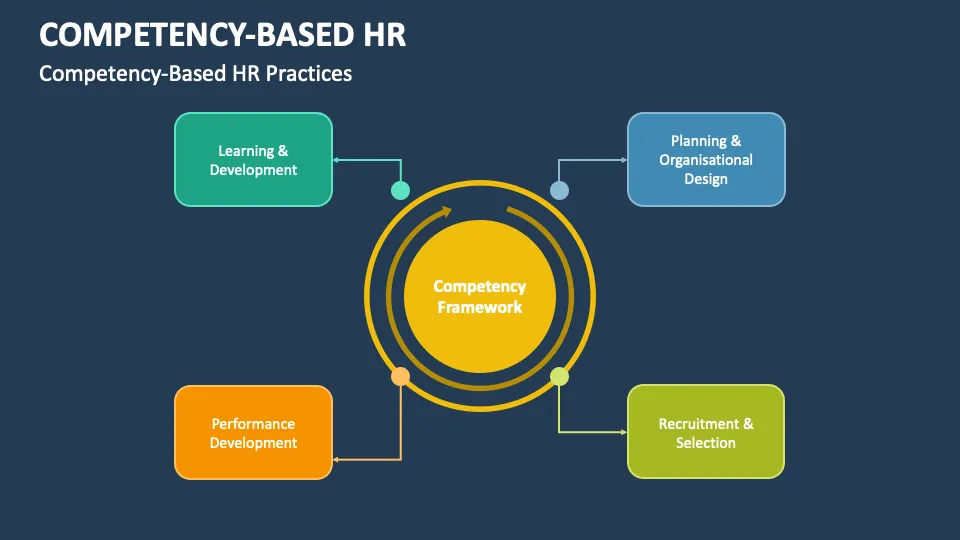
1. Competency-based HR Management

2. HR Scorecard

3. Principles of HR Management

4. Measuring ROI of Training

5. Change Management

6. Diagnosing Organizational Effectiveness

7. Good to Great

8. Coaching for Optimal Performance

9. Balanced Scorecard

10. Career Management

11. Communication Skills

12. Emotional Intelligence

13. Developing Leadership Skills

14. Presentation Skills for HR Managers

15. Creative Thinking Skills for HR Managers

Something useful we’ll update in future include the fundamental principle of HR, and more.

Looking for Better Versions? Go Premium

For those seeking more advanced features, we also offer premium HR strategy presentation templates. These premium templates come with additional benefits and can be purchased directly via PayPal online.

  • Advanced Features: Our premium templates come with advanced features that are not available in the free versions. These features can help you create more engaging and effective presentations.
  • Customizability: With our premium templates, you have the freedom to customize the design to suit your specific needs. This includes changing the color scheme, font style, layout, and more.
  • Exclusive Content: Our premium templates include exclusive content that is not available in the free versions. This content can provide you with additional insights and strategies to enhance your HR management.
  • Priority Support: As a premium user, you will receive priority support. This means that if you encounter any issues or have any questions, our support team will be available to assist you promptly.
  • Ease of Purchase: Purchasing our premium templates is easy and convenient. You can buy them directly via PayPal online.

Remember, a good HR management slides template is more than just a design tool. It’s a strategic asset that can enhance your effectiveness as an HR professional.

It brings efficiency to your work process, ensures consistency in your presentations, and aids in delivering clear and impactful presentations. Therefore, investing in a reliable HR strategy presentation template is indeed a wise decision.

So, why wait? Download our free templates or go premium for more advanced features. Remember, a well-crafted presentation can make all the difference in your HR strategy execution. Call us if you need more information about premium templates.

Human Resource Management Handbook Template, Try This Out!

Are you in search of a comprehensive Human Resource Management Handbook Template?

Look no further! This article is designed to guide those who need a robust HR handbook template or PowerPoint slides that can be customized to fit their unique needs.

Firstly, let’s figure out which materials that meets your needs to rearrange HR management on your company.

What’s Needed in an Human Resource Management Handbook?

An effective human resource management handbook should include the following key components. Starts from competency based to measuring ROI, dalve little bit deeper about those materials.

Competency-based HR Management

This is a strategic approach where HR processes such as recruitment, training and development.

Whats more than that there is also performance management, and succession planning are integrated and designed around the competencies identified as necessary for job performance.

It ensures that employees have the right skills and behaviors to perform their jobs effectively. It also helps in identifying gaps in competencies and designing training programs to fill these gaps.

HR Scorecard

An HR Scorecard is a tool that is used to measure the contribution of human resources to the overall business strategy.

t aligns HR initiatives with strategic objectives and measures performance against key performance indicators (KPIs). It helps in tracking the effectiveness of HR policies and practices in achieving business goals.

Principles of HR Management

These are the fundamental truths that guide HR practices and policies. They include treating people with respect and dignity, providing equal opportunities for growth and development, maintaining transparency in HR processes, and aligning HR strategies with business goals.

These principles help in creating a positive work environment and enhancing employee engagement.

Measuring ROI of Training

This involves assessing the effectiveness of training programs in terms of their return on investment.

It includes measuring the improvement in job performance and productivity against the cost incurred in conducting the training. It helps in determining the value that training initiatives bring to the business.

Change Management

This involves managing any changes in the organization, be it structural, technological, or cultural, to ensure smooth transitions and minimal disruption to operations.

It includes planning the change, communicating it to the employees, managing the transition, and making the necessary adjustments post-implementation.

Five of them are the important matters that needed when building a good HR management in a business.

The problem is arrange everything from strech isn’t a very easy thing to do. That’s why you are looking for customizable template for HR management handbook right?

We understand your needs, continue to read and you’ll find a solution to makes things easier.

Get a Free Amazing HR Management Template For Your Business!

We’re excited to let you know that you can get a free HR management template on our website, hr-management-slides.com. This template is designed by HR professionals and is easily customizable to suit your needs.

No need to login, just fill in your email on provided section. After that, click the “Download” button available. We’ll send an email automatically to your email, make sure to check it on inbox.

Not receive email yet? Perhaps its gone into “Spam” , go on and check again, it should be there. Download directly free template HR management from our Google Drive without annoying ads or pop-up.

3 Advantages of Using Ready-Made Human Resource Management Handbook Templates

Why is it ready made template so popular nowadays? Good question, these are several benefits using our ready made human management handbook templates:

1. Time Efficacy: One of the most significant advantages of using ready-made templates is the time-saving aspect. Instead of starting from zero and spending countless hours on design and structure, you can focus on filling in the necessary information. This allows you to maintain high productivity and dedicate more time to strategic tasks that add value to your organization.

2. Customizable and Easy to Adjust: Ready-made templates offer flexibility. They are not set in stone; you can easily tailor them to suit your specific needs. Whether you need to add a new section, remove an unnecessary one, or modify existing content, these templates allow you to do so quickly and efficiently.

3. High-Quality Material from HR Professionals: The quality of your HR materials is crucial. Ready-made templates are crafted by HR professionals who have a deep understanding of HR management. They incorporate industry best practices and are compliant with legal requirements. This ensures that you are using materials that are not only high in quality but also legally sound.

In essence, benefits HR management templates can significantly streamline your HR processes, making them more efficient and effective. They are a valuable tool for any HR professional.

Whether you’re a seasoned HR manager or just starting out in the field, these templates can make your job easier and more productive.

If the free templates still won’t suffice, perhaps a premium one is the solution.

However, if you need more comprehensive templates, we offer exclusive premium HR slides at an affordable price starting from 99 USD, payment gets easier with one Paypal.

For more information about this free human resource management handbook template or premium version contact us.

HR Management’s Approaches to Reshaping Workplace Learning

reshaping workplace learning

Workplace learning has been used by HR professionals to influence what and how employees learn in the workplace. With the emergence of skills gaps, companies need to reshape employee’s learning approaches at work. Lack of workplace learning can become the main reason for employee resignation. Therefore, HR professionals need to take the initiative and reinvent the right approach to learning methods. Today, most HR management companies are reshaping workplace learning with a more modern approach.

The Importance of Workplace Learning

In essence, workplace learning occurs while doing assignments at work or outside the office. Therefore, workplace learning is significant. This learning approach can make it easier for HR professionals to improve the skills of their employee retraining. Since, many companies are experiencing skills gaps amongst some of their employees.

In general, these are several of the importance of workplace learning:

  • Reshaping skills— Workplace learning can shape employees’ skills appropriate to the assignment they have to complete.
  • Increasing employee retention and employee engagement— Workplace learning provides employees with the opportunities to learn and practice new skills. As a result, employee retention will increase. Hence, this will also have an impact on employee engagement. This can be seen through their higher loyalty to the company and their work.
  • Building employee motivation— Workplace learning can build employee motivation. It provides employees with the opportunities to learn and develop. It encourages employee enthusiasm and happiness while at work.

2 Types of Workplace Learning Approaches

Basically, HR management has an important role to help develop all the resources that exist within each employee. Workplace learning can be a resource that offers a training environment, so that employees can contribute productively to their company. In general, there are 2 types of workplace learning been used by HR professionals, including:

  • Formal or structured learning— This workplace learning is administered through e-learning or through direct in-class approach with a clear schedule.
  • Informal learning— This type of workplace learning lets employees choose what and when they want to learn. This is usually done through videos, podcasts, on-the-job training, mentoring or coaching, and more.

In essence, a good HR management will apply workplace learning as a contextual learning process. To be called a workplace learning, the environmental elements must be involved. Especially, in terms of enriching employee learning experiences and ensuring relevant and maximum output.

5 HR Approaches to Reshaping Workplace Learning

As part of the modern approach to reshaping workplace learning, HR management will apply more personalized learning. This is related to what their employees want to learn. Not only that, how employees choose to learn is the basis of this approach. In addition, HR can ensure their employees will learn topics that are relevant to their abilities in an interesting way. To do this, it is necessary to reshape traditional learning and replace them with more up-to-date learning techniques.

These are examples of modern approaches HR professionals do in reshaping workplace learning, include:

Continuous Training Approach

It is necessary to be able to compete in today’s competitive business world by being innovative and adaptive. HR professionals must involve their employees in continuous training programs. Because, the workplace learning is not just about fulfilling momentary needs. It requires a continuous process to ensure that the material remains updated and relevant to their employee’s needs.

Strategic Learning and Training Skills

Companies that want to improve their human resources will of course involve their employees in strategic learning and training skills. This is significant to be able to improve employee skills and competencies. This training is also a means of proving that the employee is indeed worthy of being recruited by the company.

The strategic learning and training skills are basically divided into two types, namely soft skills and hard skills training.

  • Soft skills— Soft skills training focuses more on developing human resources or the ability to manage people. For example, time management, leadership skills, communication skills, and so on.
  • Hard skills— This type of training is more directly related to the employee’s field of work. For example, in the finance department, employees are given training on how to calculate costs. In the sales department, they are given training in selling skills, presentation techniques, and so on.

Microlearning Approach

Microlearning is a relatively shorter learning approach, usually around 5 minutes. It is made shorter by taking many forms from texts, images, videos, audios, quizzes, and games. This microlearning can be used for all types of training because it offers a very effective and efficient solution. For example, upskill and reskill, interactive features, accommodate various learning styles, etc.

Micro Mentoring Approach

Micro mentoring is an innovative leadership training that many companies now use. It provides opportunities for leaders to learn from other leaders. People who have been appointed as micro mentors can provide direction for new leaders at specific times with specific objectives.

Performance Coaching Approach

Performance coaching involves coaching employees to improve their performance in the workplace. It is an effective approach for improving employee’s skills and expertise to develop and reach their best potential. Employees will receive training to improve their skills and expertise to encourage their productivity and performance in the company.

Final Thoughts

Reshaping workplace learning is essential for HR professionals and companies that aspire to recruit and retain their best employees. This is done to improve skills gaps that they must provide appropriate workplace learning approaches. By changing traditional learning methods into modern and innovative learning methods, it will become more effective. With the 5 workplace learning approaches mentioned above will help reshape today’s learning system for employees.

The Expanding Role of the CHRO as Key to Future Changes of HR Management

Today’s HR management is in line with current technological developments. Therefore, the expanding role of the CHRO (Chief Human Resources Officer) is also changing. To be a successful CHRO, they must have the spirit of a true supervisor.

In addition, the business and the company’s organizational performance must be in line with HR processes as of today. This requires someone with broad skills of competency, experience, and education. With the various responsibilities of this complex C-level position, it is expected that CHRO will have adequate quality human resources.

Various Responsibilities of CHRO

The expanding role of the CHRO is responsible for all HR processes in a company. They include recruitment, performance evaluation, and reporting to their CEO regarding human resources issues. Therefore, the CHRO position is a senior executive position in a company responsible for human resources strategies and management.

A CHRO must have a deep understanding of HR management principles, employment policies, organizational changes, as well as current trends and issues in the world of HR. Furthermore, here are various responsibilities of a CHRO in general:

  • Performing employee benefits administration and managing labor relations activities such as collective bargaining.
  • Manage effective talent acquisition strategies to source the best candidates for available positions across the company.
  • Act as an intermediary between staff and management to resolve conflicts that arise in the work environment.
  • Monitor company policies and HR division functions to ensure compliance with government regulations and public policies.
  • Ensuring research and strategic planning complies with employment laws and keeps up with the latest developments.
  • Forming a superior team by providing training and development opportunities, so that employees can develop professionally.

5 Key CHRO Skills for the Future of HR Management

In every growing business, C-level experts are needed to manage and direct the directorate. This aims to align with the business strategy carried out specifically by the CHRO. The CHRO position typically reports directly to the CEO or board of directors, and is part of the company’s executive team.

CHRO involvement in strategic decision making proves the importance of their role in managing the company’s most important assets, namely HR. Several main skills that a CHRO must have to face the future of HR management:

Assess and Predict

A CHRO is required to have the ability to assess and predict whether their character fits the company’s culture. In addition, a CHRO needs to have the ability to assess talent, collaboration, and evaluation of future talents when they join the company. These skills can be learned and trained.

Mutual Business Meetings

In general, the company’s directorates have regular meeting schedules to see progress in achieving targets. Ideally, the CEO, CHRO, and other C-level directorates sit together to discuss the company’s operational performance. Here, the CHRO will learn about the company’s business objectives and get information from other directorates.

Connecting Numbers and People

CHRO experts are often called the people’s side in business objectives. They are the person who makes the budgeting and provides a perspective from his or her own expertise. In other words, CHRO exists to connect business and people by predicting the growth expected from the business plan. 

Mastering External Qualifications

In most cases, CHRO position requires mastering in marketing, operations, finance, and also technology. They have to know what trends are happening out in the real world.

In Line with CEO Goals, Priorities, and Concerns

CHRO must keep everything simple and always in line with the goals and priorities of the CEO and the company. Thus, CHRO needs to listen to the CEO’s concerns. This role also allows CHRO to carry out a transformation. This transformation is not only considered as a support function, but also becoming a business contributor.

CHRO Career Paths

To become a CHRO, HR professionals often go through positions where they gain experience recruiting, managing, assessing, and training individuals. This is the most common CHRO career paths taken by HR professionals:

HR Staff—  A career as an HR Staff or in a similar position, assists in implementing basic HR processes. This can be in the form of onboarding new employees, responding to employee inquiries, and managing documents.

HR Specialist— This position requires expertise in specific tasks within the HR management field, mainly benefits management and talent recruitment. These positions often require a bachelor’s degree.

HR Manager— This career path is tasked with overseeing HR policies, procedures and compliance within the organization.

HR Director— This type of position has similar responsibilities to an HR manager, but tends to supervise a larger team. Sometimes, this position requires a master’s degree.

Final Thoughts

Holding the position of CHRO requires years of dedication, patience, and perseverance. Although many will face various obstacles in their journey, they will all be worth it. Once they get to understand the expanding role of the CHRO, they will become influential and confident HR management leaders.

Meanwhile, a CHRO usually starts their career path as a staff recruiter or HR specialist. Then, they continue to climb the career ladder until they reach the top position. However, this path is changing rapidly. Many CHROs are now hired bringing their own leadership and business experience. For example, the CHRO role holds general management, sales and marketing, and finance positions.

As time and business demands progress, HR transforms its function into a business contributor with various complex skills. CHRO is a value creator connecting numbers and people who becomes a leader and can make a significant contribution to business achievements.

DOWNLOAD for FREE - These Amazing HR Slides NOW!!